Wondering what daily life in Mesa, AZ really feels like? Maybe you’re weighing commute routes, the summer heat, or how close you’ll be to parks, shopping, and culture. You want a clear picture before you commit to a move. In this guide, you’ll learn what you can expect week to week in Mesa so you can decide if it fits your lifestyle and priorities. Let’s dive in.
Where Mesa fits in the Valley
Mesa is one of Arizona’s largest cities and an anchor on the east side of the Phoenix metro. It functions as both a standalone city with its own downtown arts district and campuses, and as part of the broader Valley job and entertainment network. You’ll find older central neighborhoods, suburban tracts from the 1970s–1990s, and large newer master-planned communities to the east and southeast.
Local employment is diverse. Education and healthcare are major sectors, along with public services, retail, and light manufacturing and aerospace. The city’s size and mix of neighborhoods mean day-to-day life can feel urban near downtown or more suburban as you move outward.
Getting around day to day
Driving and freeway access
Mesa is primarily car-oriented. The big routes you’ll use are US-60, Loop 202, and State Route 24 on the east side. Expect typical Phoenix-metro rush-hour slowdowns on these corridors. For current traffic updates and project info, check the Arizona Department of Transportation.
Light rail and buses
Valley Metro runs regional bus service across Mesa and connects you to Tempe, Phoenix, and other suburbs. The light rail line extends into central and downtown Mesa, which helps for commutes and events, especially if you live near the stations. Review routes and schedules on Valley Metro and its light rail overview to map your options.
Walkability and biking
Walkability varies by neighborhood. Downtown Mesa is the most walkable, with cafes, restaurants, and arts venues clustered along and around Main Street. In most suburban areas, you’ll likely drive for groceries and errands. Mesa does have bike lanes and paths, though summer heat limits midday riding for many residents.
Climate and seasons
What summers feel like
Mesa has a hot desert climate. Summer days often top 100°F, and the monsoon season adds humidity and occasional afternoon or evening storms. Many residents shift outdoor time to early mornings or later evenings and use community pools or indoor recreation to stay active. For weather patterns and seasonal guidance, follow the National Weather Service Phoenix office.
Winters and shoulder seasons
Winters are mild, with daytime highs often in the 60s and 70s, which makes outdoor life a big draw. Spring and fall are peak seasons for patio dining, hiking, and neighborhood parks. If you plan a move, many people prefer late fall through spring to avoid peak heat.
Outdoor escapes nearby
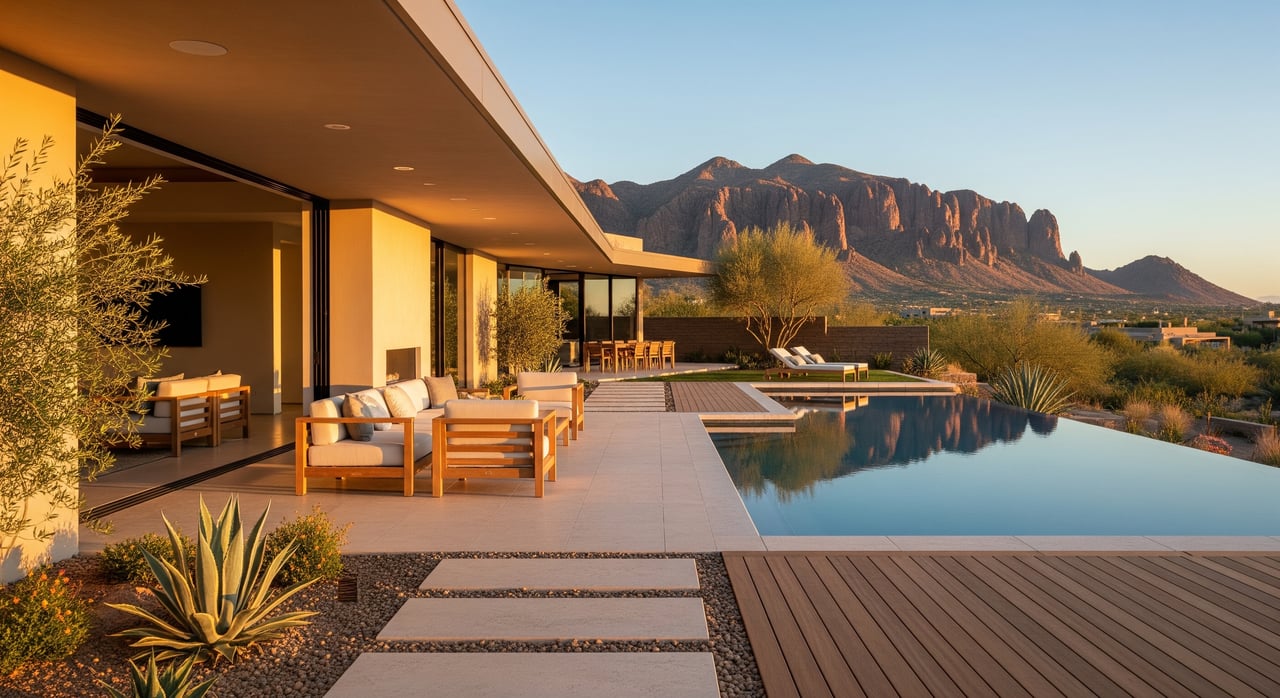
You’ll have quick access to parks and sports fields across the city for everyday exercise and play. For weekend adventures, residents commonly head to Saguaro Lake, Canyon Lake, and the Salt River for boating and paddleboarding. The Superstition Mountains and the broader Tonto National Forest are within easy day-trip range for hiking and desert scenery; plan your outings with the Tonto National Forest site.
Neighborhoods and homes
Housing styles at a glance
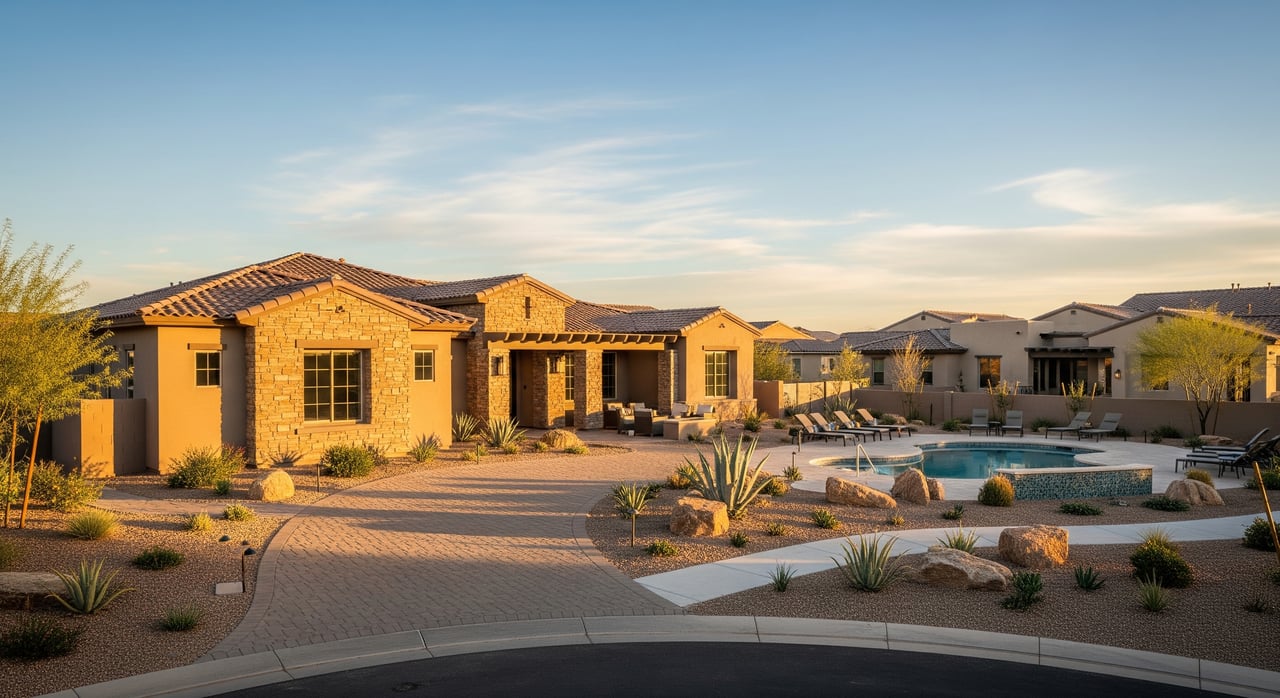
Mesa’s housing mix spans decades. You’ll see mid-century ranch homes and bungalows near central areas, 1970s–1990s tract homes across many established suburbs, and newer stucco and modern designs in master-planned communities in southeast Mesa, such as Eastmark and surrounding developments. Apartments and rental options are common near major commercial corridors and transit.
Costs and value positioning
Historically, Mesa has offered a wider range of price points than some nearby cities, with many neighborhoods trending more affordable than Scottsdale. Prices vary by area and home age, and they change with the market. If you’re comparing options, look at specific neighborhoods to understand current values and features rather than relying on a single citywide snapshot.
New builds and remodeling trends
New construction continues on the city’s edges in master-planned communities, while older neighborhoods see steady remodeling and infill. That mix gives you choices, whether you want a move-in ready new home, a renovated central property, or a project with potential.
Shopping, dining, and culture
Everyday shopping
You’ll find grocery stores, pharmacies, and big-box retail centers along major arterials and near freeway intersections. It’s easy to cluster errands, and most trips are short drives from residential areas. Larger shopping hubs are strategically placed near highway interchanges.
Downtown Mesa’s arts scene
Downtown Mesa offers a historic main street experience with galleries, restaurants, and community events. The city’s cultural anchor is the Mesa Arts Center, which hosts performances, exhibits, and classes year-round. Seasonal festivals and farmers markets add local color and weekend activities.
Dining and nightlife
Mesa’s dining scene is diverse, with strong Southwestern and Mexican options, family-friendly restaurants, and a growing craft brewery and small-restaurant presence, especially around downtown and newer commercial pockets. For a wider nightlife mix, many residents make short trips to Tempe, Scottsdale, or central Phoenix.
Schools, healthcare, and services
K–12 overview
Mesa is served by Mesa Public Schools, one of the state’s larger districts, and parts of the city align with other districts and charter schools. School offerings and ratings vary by neighborhood. If schools are a priority, review boundaries and programs directly with Mesa Public Schools and state resources, and compare options at the neighborhood level.
Higher education presence
Mesa benefits from nearby campus activity that brings educational programs, jobs, and community events to the area. This presence also supports rental demand in certain neighborhoods.
Healthcare access
Healthcare is a major local employment sector, and you’ll find multiple hospitals, specialty centers, and clinics across Mesa. Large providers like Banner Health operate facilities in the area, which makes it straightforward to access care.
City services and utilities
Mesa offers full municipal services, including police, fire, parks, and solid waste, with service levels comparable to other mid-to-large Arizona cities. You can explore city departments and resident resources on the City of Mesa website. Given the desert climate, water-use guidance and conservation tips are common, and many neighborhoods favor xeriscaping to reduce maintenance and costs.
Safety and neighborhood variation
Crime patterns vary by neighborhood, as they do across most large cities. Some areas report more incidents than others, while many neighborhoods maintain lower levels. If safety is a key factor for you, review block-level statistics and community reports through the Mesa Police Department and compare them to the times of day you’ll be home.
How Mesa compares to nearby suburbs
Mesa vs. Tempe
Tempe is more compact and centered on the Arizona State University Tempe campus, which drives a denser, more transit-oriented core and a strong nightlife scene. Mesa is larger with wider suburban areas and a mix of housing ages. If you want a walkable, campus-adjacent feel, Tempe may fit. If you want a broader range of home styles and price points, Mesa is often a better match.
Mesa vs. Chandler and Gilbert
Chandler and Gilbert are known for planned suburban growth, newer master-planned communities, and, in some areas, higher median incomes. Mesa typically offers more variety across budgets, with both older established neighborhoods and large-scale newer developments. If you’re comparing, weigh commute routes and specific school boundaries, not just city names.
Mesa vs. Scottsdale
Scottsdale skews higher-cost overall and has a strong tourism and resort profile, especially in central and northern areas. Mesa is generally more affordable and focuses more on resident services, manufacturing, and education. If you want resort-proximate amenities and are comfortable with higher pricing, Scottsdale delivers. If you value a wider price spectrum with quick freeway access across the Valley, Mesa is compelling.
Practical tips for a smooth move
- Time your search. If you can, plan house-hunting and moving between late fall and spring for more comfortable weather.
- Map your commute. Use Valley Metro planners for transit options and check ADOT for freeway updates before you decide on a neighborhood.
- Prioritize cooling systems. When touring homes, ask about HVAC age and efficiency, insulation, and window types. Strong cooling and energy efficiency make a daily difference.
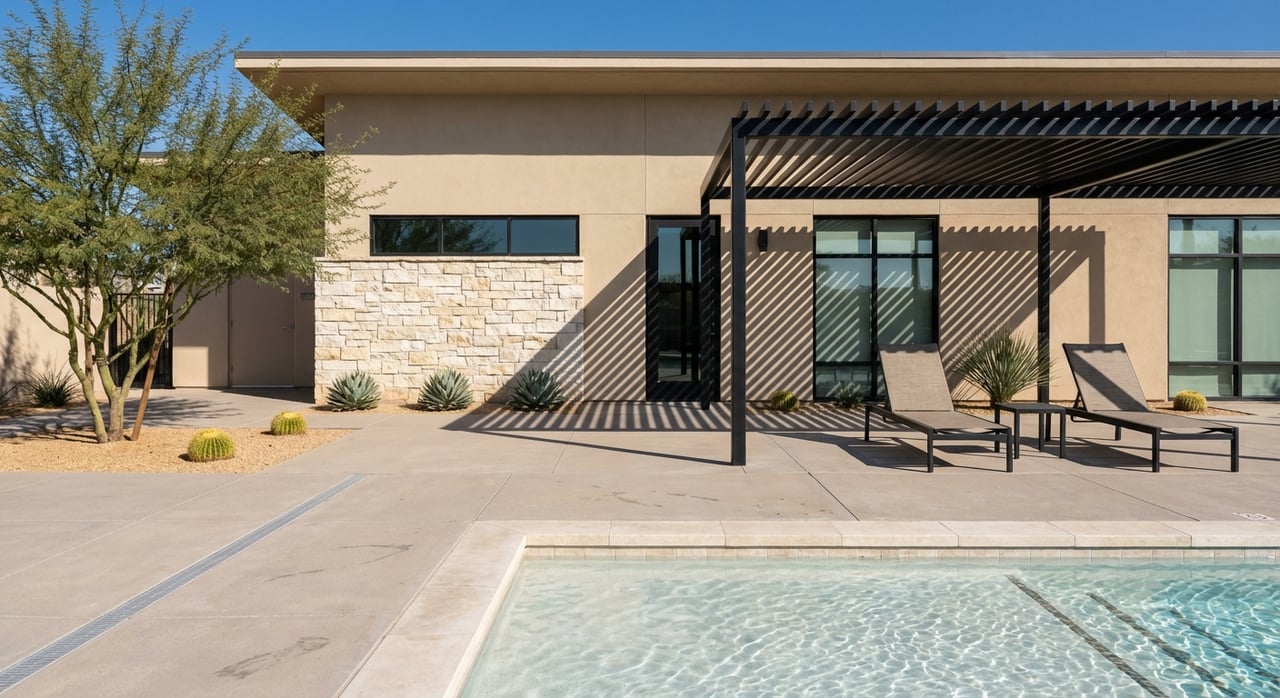
- Plan for outdoor living. Look for shaded patios, community pools, or space to add shade structures. Xeriscaped yards cut water use and maintenance.
- Scout at your hours. Visit neighborhoods during your typical routine, like evening rush or weekend mornings. Review city services and local events via the City of Mesa.
- Keep a weekend list. Save go-to spots for quick escapes to the Superstitions, Salt River, and lakes. Confirm access and conditions with the Tonto National Forest.
If Mesa sounds like it could be your next chapter, let’s talk about neighborhoods, commute routes, and homes that match your lifestyle. Schedule a tour or virtual walkthrough with Gabriel Santellano and get a local, practical plan for your move.
FAQs
What is the daily commute like in Mesa?
- Most residents drive using US-60, Loop 202, or SR-24; check Valley Metro for transit options and use ADOT for traffic updates when planning routes.
How hot does Mesa get in summer months?
- Daytime highs often exceed 100°F, with monsoon humidity and storms; shift outdoor time to mornings or evenings and follow NWS Phoenix for safety tips.
Which Mesa areas feel most walkable?
- Downtown Mesa is the city’s most walkable area with light rail access and clustered dining and arts; most other neighborhoods are car-oriented for errands.
What outdoor activities are nearby for weekends?
- Residents head to the Superstitution Mountains, Salt River, and nearby lakes for hiking and water activities; check access with the Tonto National Forest.
How should I evaluate schools in Mesa?
- Start with Mesa Public Schools to review programs and boundaries, then compare options at the neighborhood level based on your needs.
Is Mesa safe for everyday living?
- Safety varies by neighborhood; review local statistics and community reports from the Mesa Police Department and visit areas at the times you’ll be home.